How to Prepare for IELTS at Home Without Coaching (2026)
Complete home-preparation plan for IELTS. Daily schedule, free resources, the exact tools to use, and how to get rubric-aligned feedback without a tutor.
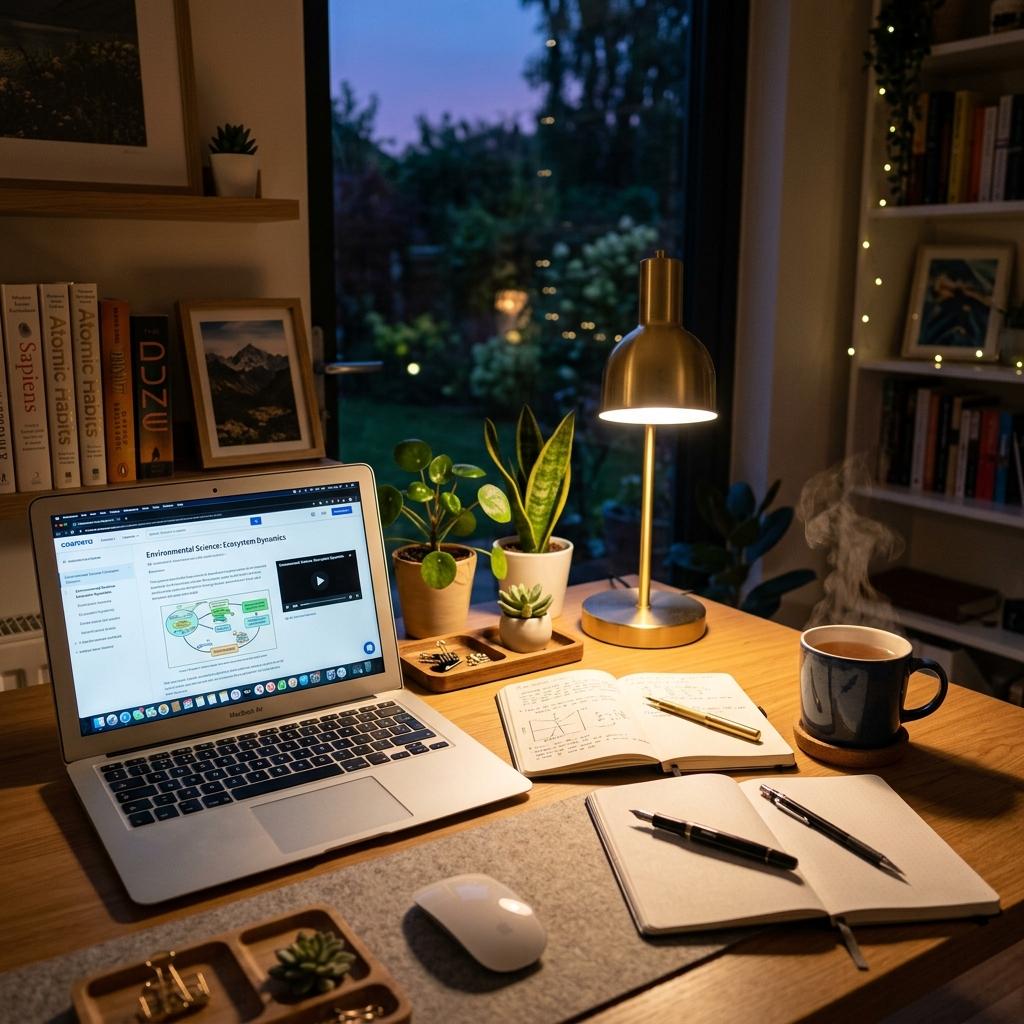
Most successful IELTS candidates do not attend a single coaching session. They prepare at home — on the train, at lunch, before bed — and walk into the test centre having practised more total hours than the average classroom learner. The trick is structure, not access.
This guide explains exactly how to prepare for IELTS at home in 2026, with a daily schedule and the specific free + budget tools that replicate (and beat) in-person coaching.
The home-preparation advantage
Why home study often outperforms classroom prep:
- More practice volume: 25 minutes/day = 175 mins/week vs 90 mins in two classes
- Zero commute: 12 hours/month saved
- Adaptive pacing: you spend longer on what is hard, less on what is easy
- Lower cost: $0–$15/month vs $200+/month for live classes
- Test-format match: most candidates take computer-based IELTS — practising on a laptop matches the real environment
The downside: no external accountability. You need to be disciplined enough to show up daily.
The minimal home-prep toolkit
You need exactly five things:
- A phone or laptop with a microphone
- Headphones (any kind)
- The Cambridge IELTS book series (PDFs work; physical books better)
- A daily 25-minute time slot you protect
- A rubric-aligned feedback tool for Speaking and Writing (Sprechify, $11/month annual)
That is it. Anything else is optional.
The daily 25-minute home plan
Rotate the focus across the week. The structure that works:
| Day | Focus | What to do | |---|---|---| | Mon | Speaking Part 1 | Record yourself answering 5 personal questions | | Tue | Reading | One Cambridge passage timed (20 mins) | | Wed | Writing Task 1 | One graph or process essay | | Thu | Speaking Part 2 | One cue card under real 2-minute timing | | Fri | Listening | One Cambridge section + transcript review | | Sat | Writing Task 2 | Full 40-minute essay, rubric-scored | | Sun | Mixed review | Re-read your worst essay; re-listen to your worst recording |
That is 7 sessions × 25 mins = 175 minutes/week. Over 8 weeks: 23 hours of focused practice — more than most candidates get in a full classroom course.
Getting feedback without a teacher
The hardest part of home study is feedback. Solutions:
- Speaking: Sprechify scores against all four rubric dimensions instantly. Free for 7 days.
- Writing: Same — Task 1 and Task 2 get rubric-aligned feedback in seconds.
- Reading: Self-grade against the official answer keys in the Cambridge books.
- Listening: Same self-grading approach.
If you cannot afford even the $11/month, an alternative is posting your essays in IELTS communities (Reddit r/IELTS, Discord servers) and asking strangers to review. The feedback quality is inconsistent but free.
Replace the tutor with rubric feedback
Sprechify's Pro subscription includes rubric-aligned scoring for Speaking and Writing — exactly the feedback you cannot give yourself.
See Plans & PricingBuilding accountability at home
Without a tutor or class watching you, accountability falls on you. The four habits that help:
- Same time every day: Treat your IELTS slot like a meeting
- Visible progress tracker: Calendar grid on the wall, X through each day completed
- Weekly weigh-in: Score yourself on Sunday with one full Speaking + Writing task
- Accountability partner: One friend who also tracks their progress
What you can stop doing
You do not need to:
- Watch IELTS YouTube videos every day (one or two for theory, then practice)
- Buy multiple preparation books (one Cambridge book + one official guide is enough)
- Subscribe to multiple apps (one rubric-aligned tool is enough)
- Attend free webinars on weekends
- Take 10 different "diagnostic tests" (one is enough)
Test-day prep at home
The week before test day:
- One full mock under real conditions (block 3 hours)
- Visit your test centre on a non-test day to know the route
- Stop introducing new vocabulary
The day before:
- No study after 6pm
- Pack your ID, water bottle, and a watch
- 8 hours of sleep
FAQ
Can I really prepare for IELTS at home alone? Yes. The majority of our Band 7+ users prepared entirely at home.
How many hours per day should I study for IELTS at home? 25 minutes/day across 8 weeks beats 3 hours/day across 1 week. Consistency wins.
Do I need to install special software to take IELTS at home? No — you take the actual test at a centre. Home study uses any browser or phone.
What if I am stuck and not improving? You are not getting rubric-aligned feedback. Get a Pro subscription of an AI tutor or post your essays for review. Practice without feedback eventually plateaus.
Is preparing at home as good as coaching? For most candidates, better. The exceptions are absolute beginners with no English exposure, who benefit from initial conversational confidence-building.