IELTS Life Skills A1, A2 & B1: Speaking Test Guide
IELTS Life Skills A1, A2 and B1: which UK visa needs which level, how the paired 20-minute Speaking and Listening test works, and how to prepare.
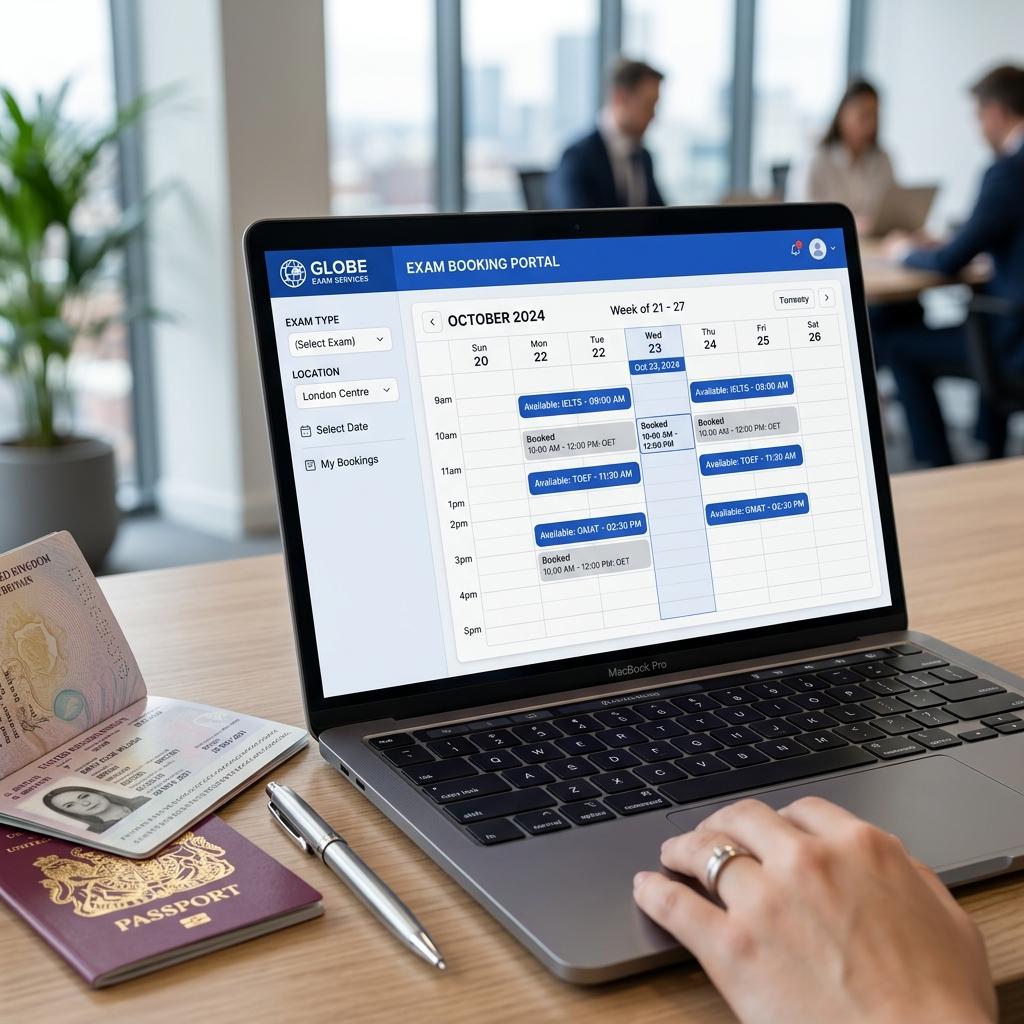
If you're applying for a UK family visa, an extension, indefinite leave to remain or British citizenship, you may need IELTS for UKVI Life Skills. It is different from the IELTS test most people know. It tests only Speaking and Listening, you take it with another candidate, and you get a simple Pass or Fail, not a band score.
This guide explains which level you need, how the test works, and how to prepare. Always confirm your exact requirement on the UK government's website before you book.
Which level do you need?
According to ielts.org:
| Level | Typically used for |
|---|---|
| A1 Speaking and Listening | Visas for the "family of a settled person" |
| A2 Speaking and Listening | An "extension to a family, spouse or partner" visa |
| B1 Speaking and Listening | "Citizenship or indefinite leave to remain" |
Requirements are set by UK Visas and Immigration and can change. Check GOV.UK for your specific application before booking, and book IELTS for UKVI Life Skills at an approved centre, not a standard IELTS test.
How the test works
From the official test format:
- It takes around 20 minutes. It's a little shorter at A1 and a little longer at B1.
- You take it with an examiner and one other test taker. You'll have short discussions on everyday subjects.
- It assesses whether you can "listen and respond, make your meaning clear, and talk with other people" at your level.
- There is no Reading or Writing.
- The result is Pass or Fail. Life Skills is not band-scored like standard IELTS.
What "everyday subjects" means in practice
Life Skills is about practical English for daily life in the UK, not academic discussion. Expect topics like:
- Talking about yourself, your family, your home and your daily routine
- Work, free time, food, shopping and travel
- Simple practical situations: asking for and giving information, making arrangements
- At B1: giving opinions and reasons, describing experiences, and discussing everyday issues a little more fully
You'll also need to listen to short recordings or the other test taker and respond to what you heard. That's why listening practice matters as much as speaking.
The paired format: the part most people don't prepare for
Because you take the test with another candidate, you're not only answering the examiner. You also need to talk with the other person. That means:
- Taking turns. Don't speak for too long. Let your partner answer, then respond.
- Asking questions back. "What about you?", "Do you agree?", "How often do you…?"
- Reacting to what they say. "Oh, that's interesting, I usually…", "Me too", "I see. Why is that?"
- Asking for clarification when you don't understand. "Sorry, could you say that again?" is a useful, natural phrase.
Candidates who only practise answering questions alone often find this part uncomfortable. Practise with a friend or family member if you can.
How to prepare
- Confirm your level on GOV.UK for your exact visa or application.
- Use the official sample tests on ielts.org for your level (A1, A2 or B1). They show the task types and the speed of the recordings.
- Practise speaking every day, out loud, about everyday topics: 10–15 minutes of real conversation is better than an hour of reading lists.
- Practise listening and responding. Listen to short everyday English recordings and say back the key information.
- Practise in pairs. Role-play arranging a meeting, asking about someone's weekend, or sharing opinions on a simple topic.
- Learn repair phrases for when you don't understand or lose your words. They keep the conversation going, which is the point of the test.
FAQ
Is IELTS Life Skills the same as IELTS General Training? No. Life Skills only tests Speaking and Listening, at CEFR levels A1, A2 or B1, and gives a Pass or Fail. General Training tests all four skills and gives band scores.
How long is the IELTS Life Skills test? Around 20 minutes, depending on the level.
Do I take the test alone? No. You take it with an examiner and one other test taker.
Is there a band score? No. You receive Pass or Fail.
Which level do I need for indefinite leave to remain or citizenship? ielts.org lists B1 for citizenship or indefinite leave to remain. Always confirm the current requirement on GOV.UK.
Practising English speaking with Sprechify
Sprechify is a live voice AI tutor built for IELTS Speaking (Academic and General Training), not the Life Skills paired format. If you're preparing for B1, everyday-topic practice from IELTS Part 1 can still help with fluency and confidence. See IELTS Speaking Part 1 questions and answers. For the paired tasks, practise with another person.
Related reading: How to register for IELTS · IELTS Speaking anxiety · Does accent affect your IELTS Speaking score?